
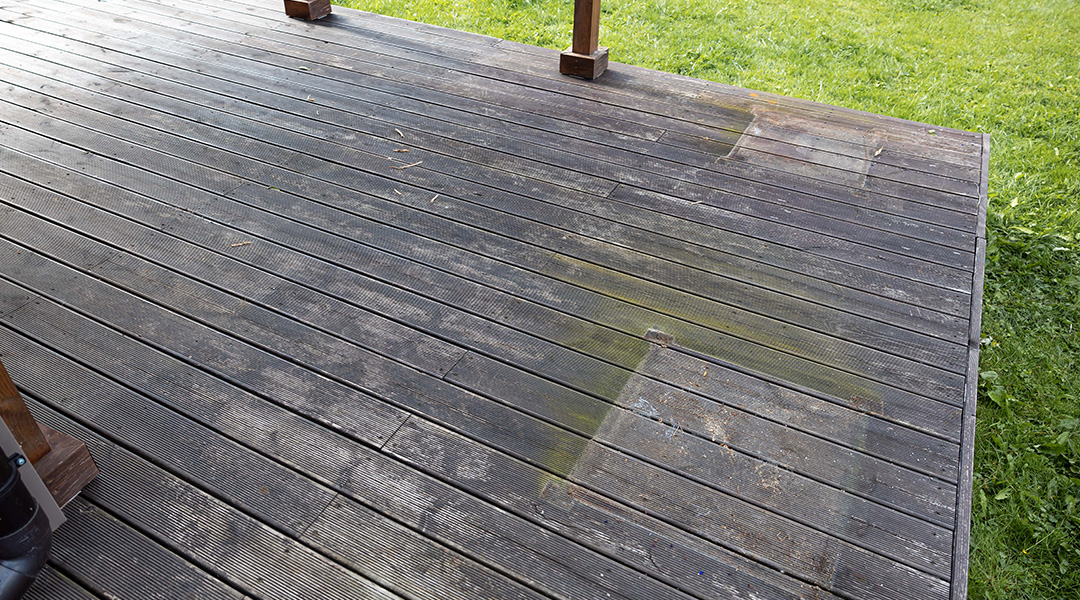
If you’re noticing cracks, loose boards or other signs of wear on your deck, you may be wondering: should you repair or replace your deck? Decks are exposed to rain, snow, sunlight and changing temperatures year after year, and even a well-maintained deck can eventually show signs of aging.
We’re here to help you understand the most common signs that a deck may need to be replaced, when repairs may be enough and what to consider before making a decision.
Not every damaged deck needs a complete replacement. Minor issues such as a few cracked boards or loose fasteners can often be repaired. However, widespread deterioration or structural problems may indicate that replacement is the safer and more cost-effective option.
Some common signs your deck may need to be replaced include:
If you notice several of these problems at the same time, it may be time to have your deck professionally inspected.
Some of the most serious deck problems aren’t always obvious. While cracked boards and peeling finishes are easy to spot, structural deterioration can occur underneath the decking.
Posts, beams, joists and connections all play an important role in supporting the deck. If these components are rotting, cracked, weakened or improperly secured, simply replacing the surface boards may not solve the problem.
Signs of potential structural issues include:
If you’re concerned about structural damage, a professional inspection can help determine whether repairs are appropriate or whether replacement is the better option.
Wood rot is one of the most common problems affecting older decks. Moisture can cause wood to deteriorate over time, particularly in areas where water collects or where boards and structural components have limited airflow.
A small area of surface rot doesn’t necessarily mean the entire deck needs to be replaced. Damaged boards can sometimes be removed and replaced individually.
However, widespread rot can be a different story.
If rot has affected multiple boards, joists, beams or support posts, repairing individual areas may only provide a temporary solution. In these situations, replacing the deck may provide better long-term value and peace of mind.
Age is another important factor when deciding whether to repair or replace a deck.
The lifespan of a deck can vary significantly depending on the materials used, installation quality, maintenance and exposure to weather. A properly maintained deck may last for many years, while decks exposed to constant moisture or neglect can deteriorate much sooner.
An older deck with several signs of deterioration may require more frequent repairs. At some point, continuing to patch individual problems may become less practical than investing in a new deck.
If your deck is aging and you’re experiencing recurring problems, it may be worth having the entire structure evaluated rather than addressing each issue separately.
In some cases, replacing the deck boards can be a practical alternative to replacing the entire deck.
If the underlying joists, beams, posts and connections are still structurally sound, new decking can give the surface a refreshed appearance while extending the usable life of the existing structure.
However, replacing only the boards won’t address problems underneath the surface.
Before deciding on a board replacement, it’s important to check the condition of the supporting structure. A professional can help determine whether the existing framework is strong enough to support new decking.
When deciding whether to repair or replace your deck, consider several factors rather than focusing on one problem.
A professional evaluation can help you determine which option makes the most sense for your home and budget.
Choosing between deck repair and replacement is an important decision that can affect your home’s safety, appearance and outdoor living space. With years of experience helping homeowners improve and maintain their properties, Besroi Roofing & Siding is here to answer your questions and help you determine the right solution for your deck. Contact us today for a free consultation and expert advice on your next decking project.