
Choosing the right roofing material is about more than just color and style. One of the most important performance factors to consider is wind resistance. When you understand asphalt shingle wind ratings, you can make informed decisions that protect your home from storm damage and extend the life of your roof.
With varying wind speeds, weather patterns and roofing options available, knowing how wind ratings work makes it easier to select asphalt shingles that deliver long-term durability and peace of mind.
Understanding asphalt shingle wind ratings starts with knowing what they measure. Wind ratings indicate the maximum wind speed that asphalt shingles are designed to withstand when properly installed. These ratings are typically tracked in miles per hour (MPH) and are determined through laboratory testing and manufacturer specifications.
Most asphalt shingles fall into wind ratings ranging from 60 MPH to 130 MPH or higher, depending on the shingle type, design and installation method. Higher wind ratings offer greater protection against uplift, tearing and blow-offs during severe weather.
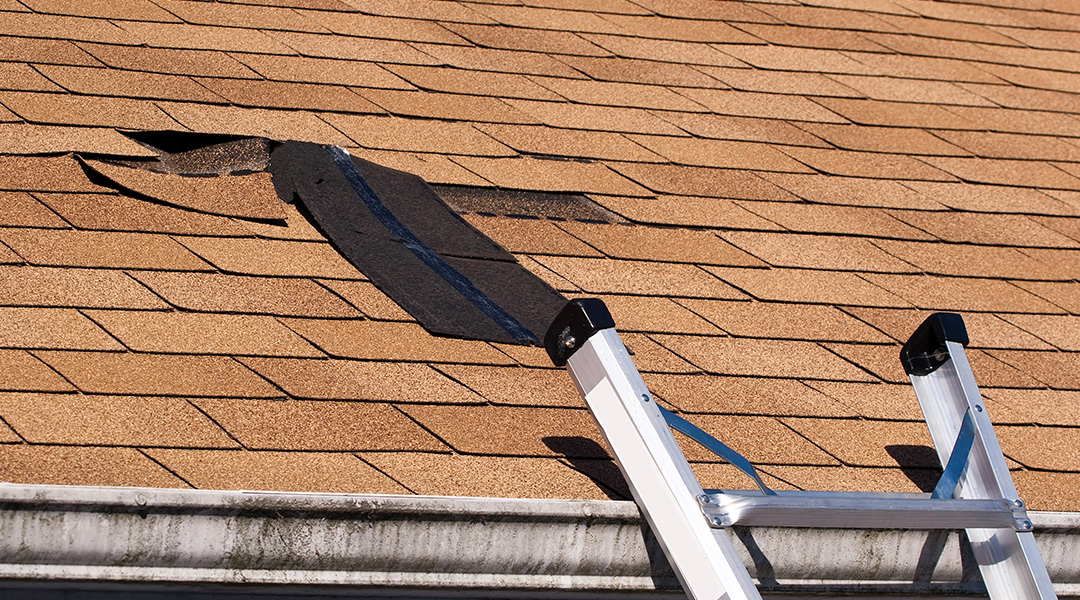
Wind damage is one of the leading causes of roof failure. Understanding asphalt shingle wind ratings allows homeowners to choose shingles that match their local climate conditions and reduce the risk of costly repairs.
Key reasons wind ratings matter include:
Selecting shingles with appropriate wind ratings is especially important in areas prone to strong storms, hurricanes or seasonal high winds.
When understanding asphalt shingle wind ratings, it’s important to know how different shingle types compare.
This is the most basic and budget-friendly option.
Typical wind rating:
Best for:
These thicker, layered shingles offer better performance and visual appeal.
Typical wind rating:
Best for:
Designed for maximum durability and style.
Typical wind rating:
Best for:
Understanding asphalt shingle wind ratings isn’t just about the shingles themselves, installation plays a major role. Manufacturer wind ratings are only valid when shingles are installed according to specific guidelines.
Factors that affect wind performance include:
Incorrect installation can significantly reduce wind resistance and may void manufacturer warranties.
Homeowners should consider:
A roofing professional can help assess these factors and recommend the best shingle option for your home.
At Besroi Roofing & Siding, our experienced team installs high-quality asphalt shingles designed to meet local building codes and withstand harsh weather conditions year-round.
If you’re planning a roof replacement or want to learn more, contact us today for a free consultation. We’ll help you choose the right roofing solution for your home, budget and climate.